
THE FIRST

ENDORSED BY SCIENCE
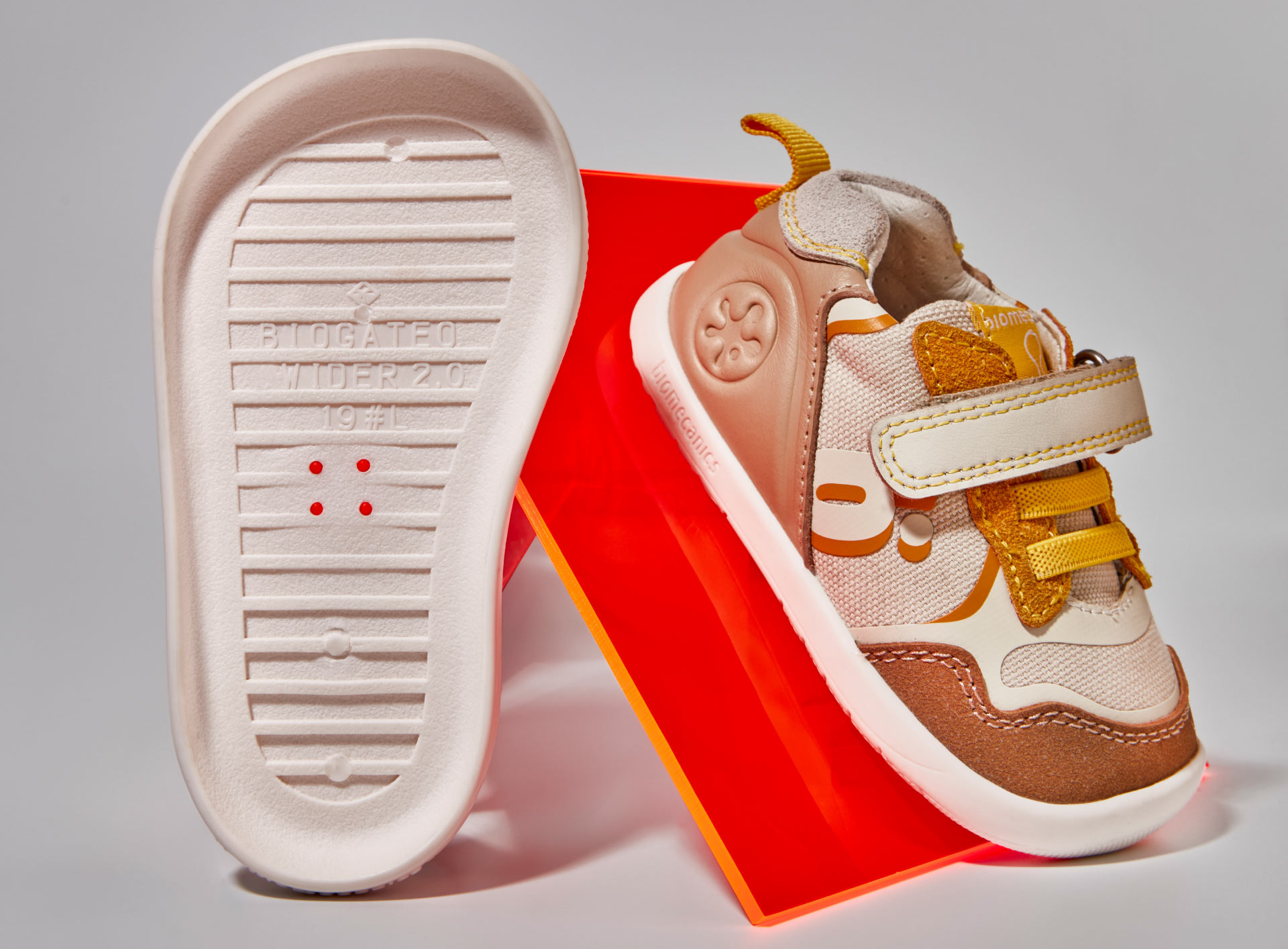
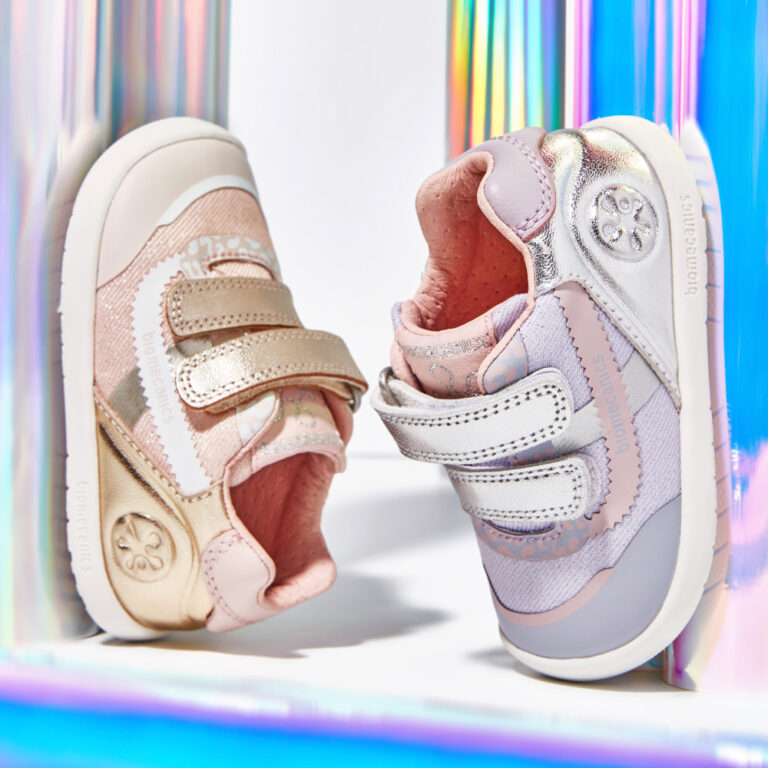
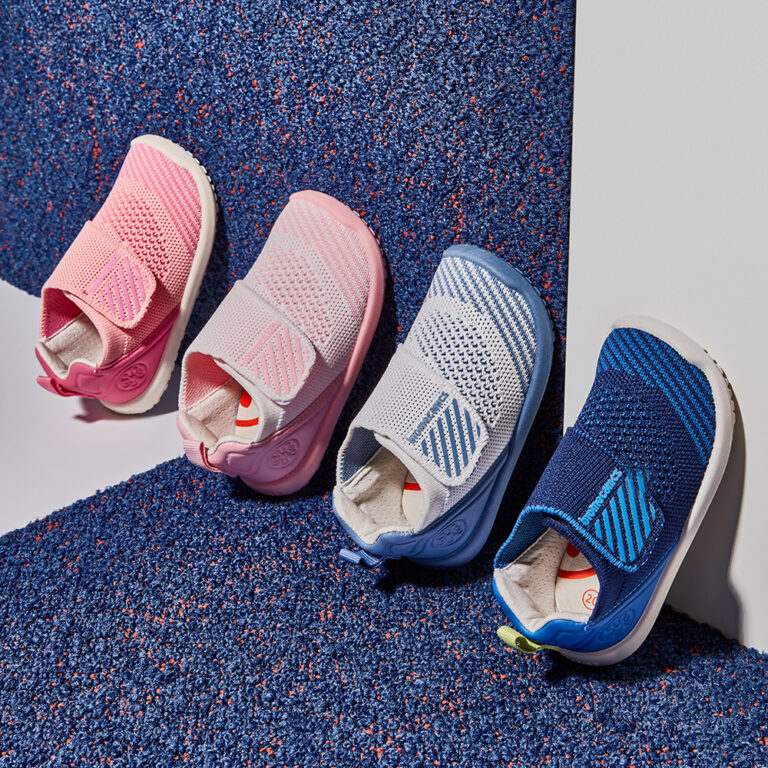
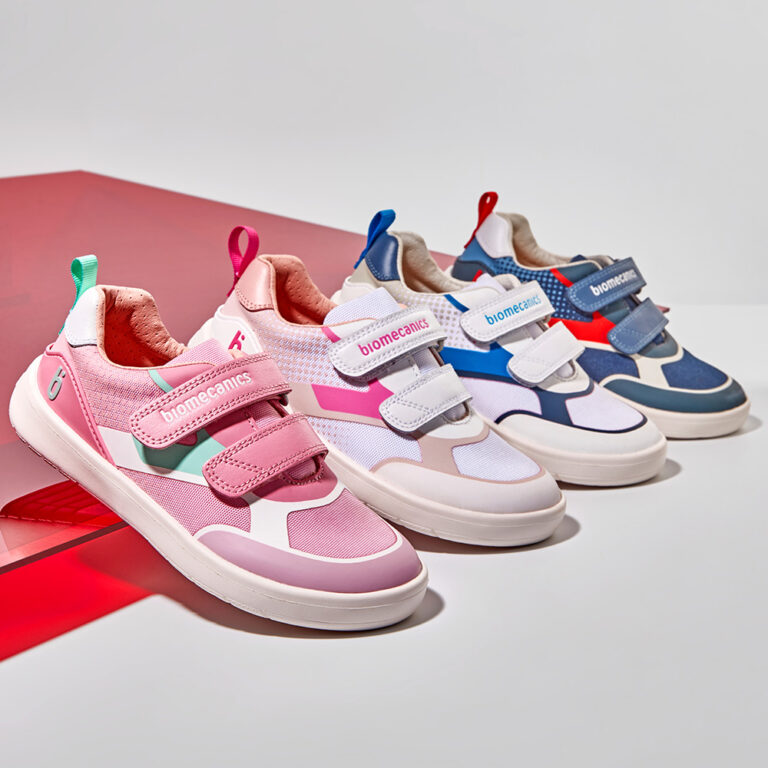
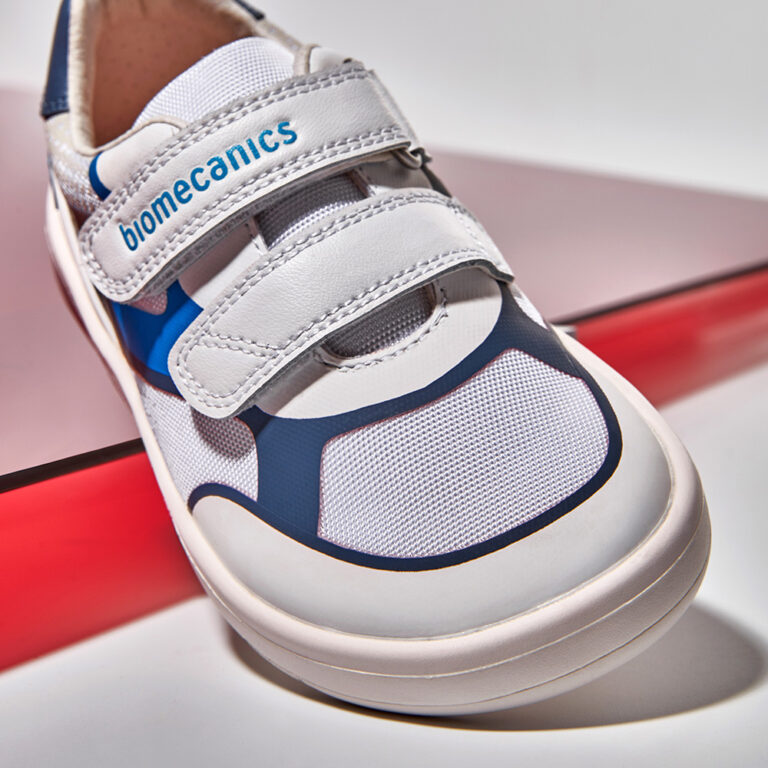
Every baby is different, and so is every foot. From this reflection comes our first science-endorsed barefoot shoe, designed together with the Institute of Biomechanics (IBV), with the Podologic ICOPV seal. Thanks to our continuous research, we guarantee respectful and minimalist footwear, as close as possible to walking barefoot.

THE FIRST

ENDORSED BY SCIENCE
Every baby is different, and so is every foot. From this reflection comes our first science-endorsed barefoot shoe, designed together with the Institute of Biomechanics (IBV), with the Podologic ICOPV seal. Thanks to our continuous research, we guarantee respectful and minimalist footwear, as close as possible to walking barefoot.
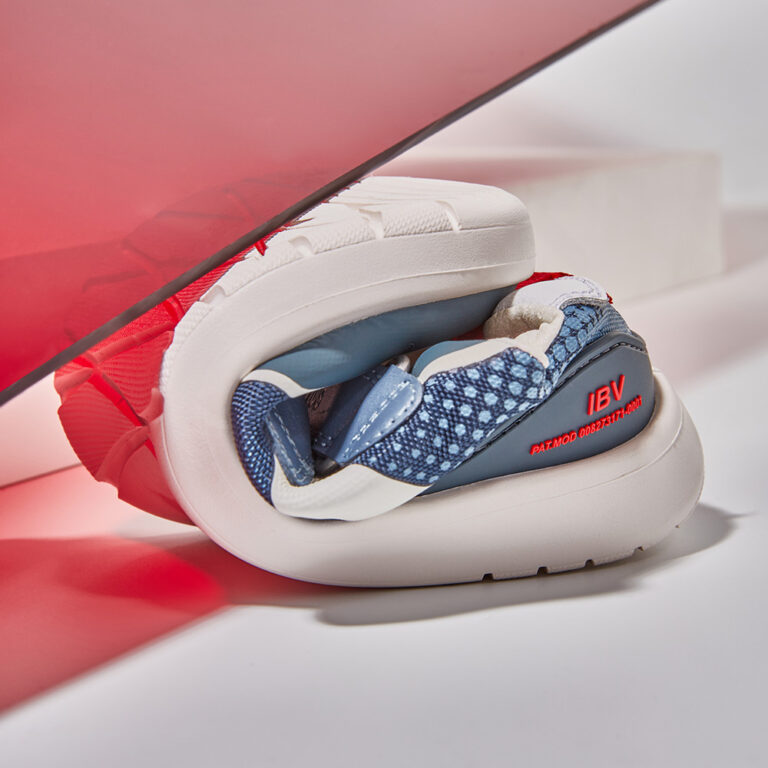
Any shoe influences how our little ones walk. That is why it is important to choose footwear that supports the natural movement of the foot. Our science-endorsed barefoot models are designed through biomechanics to replicate the sensation of walking barefoot and allow free and healthy movement, without giving up the function of a shoe: protecting the foot from external elements and supporting walking without rigidity.
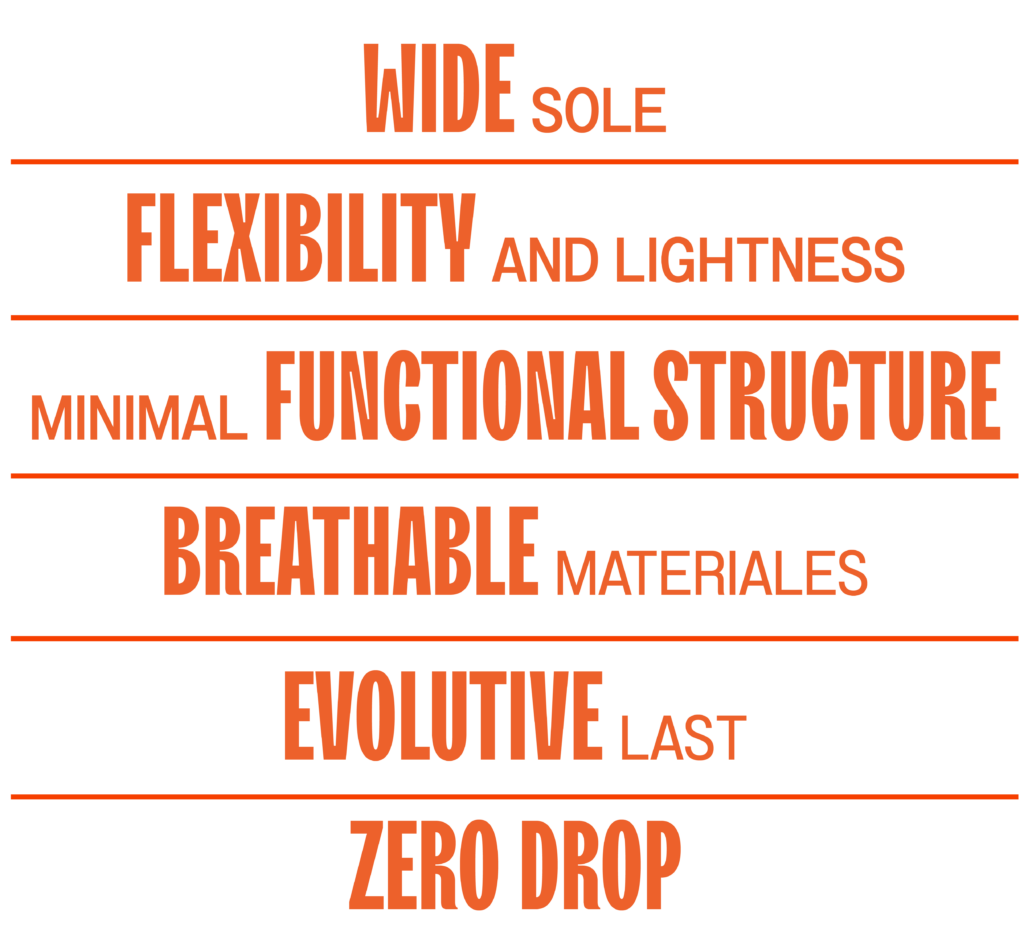
| WIDE SOLE | FLEXIBILITY AND LIGHTNESS | MINIMUM FUNCTIONAL STRUCTURE | BREATHABLE MATERIALS | HIGH-QUALITY BREATHABLE MATERIALS | EVOLUTIONARY LAST | ZERO DROP | WIDE SOLE | FLEXIBILITY AND LIGHTNESS | MINIMUM FUNCTIONAL STRUCTURE | BREATHABLE MATERIALS | HIGH-QUALITY BREATHABLE MATERIALS | EVOLUTIONARY LAST | ZERO DROP | WIDE SOLE | FLEXIBILITY AND LIGHTNESS | MINIMUM FUNCTIONAL STRUCTURE | BREATHABLE MATERIALS | HIGH-QUALITY BREATHABLE MATERIALS | EVOLUTIONARY LAST | ZERO DROP
Any shoe influences how our little ones walk. That is why it is important to choose footwear that supports the natural movement of the foot. Our science-endorsed barefoot models are designed through biomechanics to replicate the sensation of walking barefoot and allow free and healthy movement, without giving up the function of a shoe: protecting the foot from external elements and supporting walking without rigidity.
| WIDE SOLE | FLEXIBILITY AND LIGHTNESS | MINIMUM FUNCTIONAL STRUCTURE | BREATHABLE MATERIALS | HIGH-QUALITY BREATHABLE MATERIALS | EVOLUTIONARY LAST | ZERO DROP | WIDE SOLE | FLEXIBILITY AND LIGHTNESS | MINIMUM FUNCTIONAL STRUCTURE | BREATHABLE MATERIALS | HIGH-QUALITY BREATHABLE MATERIALS | EVOLUTIONARY LAST | ZERO DROP | WIDE SOLE | FLEXIBILITY AND LIGHTNESS | MINIMUM FUNCTIONAL STRUCTURE | BREATHABLE MATERIALS | HIGH-QUALITY BREATHABLE MATERIALS | EVOLUTIONARY LAST | ZERO DROP
These are the key biomechanical points when designing respectful barefoot footwear:

QUESTIONS THAT ALL MOTHERS AND FATHERS
ASK WHEN CHOOSING CHILDREN’S FOOTWEAR
QUESTIONS THAT
ALL MOTHERS AND FATHERS ASK
WHEN CHOOSING CHILDREN’S FOOTWEAR
ALL MOTHERS AND FATHERS ASK
WHEN CHOOSING CHILDREN’S FOOTWEAR
What does barefoot mean and what is its origin?
“Barefoot” in English means “without shoes” and comes from the idea that this type of footwear allows a sensation as close as possible to walking barefoot, while still offering minimal protection from the external environment. In the late 1990s and early 2000s, some brands began using the terms barefoot shoes or barefoot running to describe minimalist footwear characterized by great flexibility, little or no cushioning, and a thin sole.
What should good barefoot footwear for children be like?
Any footwear directly influences the way we walk. That is why a functional structure is necessary, which in the case of barefoot will be minimal in order to come as close as possible to the sensation of walking barefoot.
The main characteristics of minimalist or barefoot footwear are therefore: flexibility and lightness, minimal functional structure, thin sole, wide toe box, and zero drop.
Our first science-certified barefoot model also includes additional comfort and protection features, such as padding and flattened seams to prevent chafing, a “U”-shaped notch to avoid pressure on the Achilles tendon, a removable antibacterial insole, and high-quality breathable materials, among others. In summary, good barefoot footwear for children must protect, allow mobility, and maintain the natural stability of the barefoot foot.
The main characteristics of minimalist or barefoot footwear are therefore: flexibility and lightness, minimal functional structure, thin sole, wide toe box, and zero drop.
Our first science-certified barefoot model also includes additional comfort and protection features, such as padding and flattened seams to prevent chafing, a “U”-shaped notch to avoid pressure on the Achilles tendon, a removable antibacterial insole, and high-quality breathable materials, among others. In summary, good barefoot footwear for children must protect, allow mobility, and maintain the natural stability of the barefoot foot.
Why is a functional structure necessary?
A functional structure is necessary because the foot can function fully without support, but footwear cannot. This structure serves to protect and support without interfering with the natural biomechanics of the foot. Without it, the foot may shift, causing falls.
Any footwear, including barefoot, must have a structure to protect from the external environment, prevent unintended foot movement, maintain the basic shape of the shoe, and ensure durability. The key is that it should not be restrictive, so it respects the natural movement of the foot without rigidity.
Any footwear, including barefoot, must have a structure to protect from the external environment, prevent unintended foot movement, maintain the basic shape of the shoe, and ensure durability. The key is that it should not be restrictive, so it respects the natural movement of the foot without rigidity.
What is the heel counter?
In footwear, the heel counter is the rigid, semi-rigid, or soft component located at the back of the shoe, inside the heel area, usually behind the inner lining, whose main function is to provide the functional structure necessary for the shoe.
At Biomecanics, we eliminate the heel counter and replace it with a soft external stabilizer that maintains the necessary minimal functional structure without restricting movement and eliminating rigidity.
At Biomecanics, we eliminate the heel counter and replace it with a soft external stabilizer that maintains the necessary minimal functional structure without restricting movement and eliminating rigidity.
What is the difference between respectful footwear and barefoot?
Respectful footwear is footwear that respects the foot at every stage of its development, allowing freedom of movement, whether it is barefoot or not.
At what age can barefoot footwear be used?
For children who are not yet walking, the ideal situation is for them to spend as much time as possible barefoot.
When they begin taking their first steps, a good barefoot model can support their development, provided it is properly fitted to their size and stage of growth.
When they begin taking their first steps, a good barefoot model can support their development, provided it is properly fitted to their size and stage of growth.
Is it always a suitable choice for every child?
No. It depends on the child, their age, the surface, the activity… In addition, it must be considered that a sudden transition to barefoot or minimalist footwear can modify walking loads; if done without adaptation, it may increase the risk of overload on different structures.
Can barefoot footwear be alternated with another type of shoe?
Yes, especially in sports or activities that require sudden stops, quick changes of direction, or jumps: in these cases, the foot may sometimes require greater grip and lateral stability.